
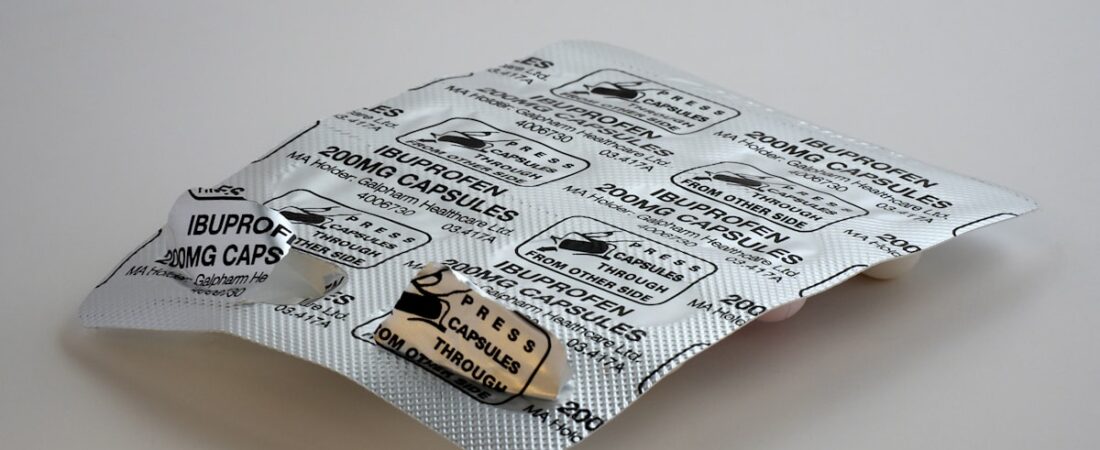
Finding the best magnesium for sleep is harder than it should be. Walk into any supplement aisle and you’ll find a dozen products all claiming to improve your sleep. The problem: they’re not all the same. Different forms have wildly different absorption rates, different secondary effects, and different price points per effective dose. Choosing the wrong one means spending money on a supplement that barely works. This guide cuts through the noise — we’ve analysed the research, compared the formulations, and ranked the best magnesium supplements for sleep you can buy in 2025. For the full science on how magnesium affects sleep, see our evidence review here.
Which Magnesium Is Right for YOUR Sleep Problem?
| Your Sleep Problem | Best Magnesium Form |
|---|---|
| Trouble falling asleep | Magnesium L-Threonate |
| Waking up at 3am | Magnesium Glycinate (longer-lasting) |
| Muscle tension or cramps at night | Magnesium Citrate |
| Anxiety keeping you awake | Magnesium Glycinate (GABA support) |
| Budget-conscious | Magnesium Citrate ($15-20/month) |
| Premium cognitive + sleep | Magnesium L-Threonate ($45-50/month) |
What to Look for in a Magnesium Sleep Supplement
Before getting to the rankings, here’s the framework we used to evaluate each product. Not all of these factors matter equally, but each one separates a supplement worth buying from one worth skipping.
- Form of magnesium: This is the single most important factor. Glycinate and threonate are the gold standard for sleep. Citrate is acceptable at lower doses. Oxide is essentially useless for sleep — bioavailability sits around 4% and the primary effect is laxative.
- Elemental magnesium per serving: Labels often list the weight of the full compound (e.g., 1,000mg magnesium glycinate) rather than the actual magnesium content. Look for elemental magnesium — you want 200–400mg per serving for sleep.
- Third-party testing: NSF Certified for Sport, USP Verified, or Informed Sport certification confirms the product contains what it claims and is free from banned substances and heavy metal contamination.
- Clean formulation: Unnecessary fillers, artificial colourants, and proprietary blends are red flags. The best supplements have short, transparent ingredient lists.
- Value per effective dose: Cost per 200mg elemental magnesium is a more useful metric than cost per capsule or cost per bottle.
Best Magnesium Supplements for Sleep (Our Top Picks)
Best Overall: Momentous Magnesium Threonate
Why it wins: Momentous uses Magtein®, the patented magnesium L-threonate developed at MIT and the only form clinically shown to cross the blood–brain barrier and raise brain magnesium levels. For sleep, this matters because the calming effect operates directly at the neurological level rather than relying solely on systemic absorption. Independent research on Magtein shows improvements in sleep quality, reductions in anxiety, and enhanced cognitive recovery — all relevant for the kind of sleep problems most people face.
Momentous is also one of the few consumer supplement brands that submits its products for third-party testing through NSF Certified for Sport — the most rigorous certification available. The formulation is clean: no unnecessary fillers, no artificial additives. Three capsules deliver 2,000mg of Magtein, providing 144mg of elemental magnesium targeting brain tissue specifically.
Best for: People with anxiety-driven insomnia, cognitive overactivation at bedtime, or those who want the most researched form available. It’s premium-priced, but the formulation quality justifies it.
★ Our Top Pick
Momentous Magnesium Threonate
NSF Certified for Sport. Uses patented Magtein® — the only form shown to cross the blood–brain barrier. Third-party tested, clean formulation, used by elite athletes and sleep researchers.
Affiliate disclosure: we may earn a commission if you purchase through this link, at no extra cost to you.
Best Budget: Nature Made Magnesium Glycinate
Why it makes the list: Nature Made is one of the few mass-market supplement brands with genuine third-party credibility — it holds USP Verification, which confirms label accuracy and manufacturing quality. Their magnesium glycinate delivers 200mg of elemental magnesium per serving at a price point that undercuts most premium brands by 50% or more.
Glycinate is the right form for sleep: highly bioavailable, gentle on the digestive system, and paired with glycine, which has independent sleep-promoting properties. Nature Made’s version keeps the formulation simple — no unnecessary additives — and delivers a clinically relevant dose.
Best for: Anyone who wants a reliable, evidence-backed magnesium glycinate without paying a premium. If cost is a deciding factor, this is the call. The lack of NSF certification (it’s USP rather than NSF) is a minor limitation, but USP is still a meaningful quality signal.
Best for Anxiety + Sleep: Thorne Magnesium Bisglycinate
Why it stands out: Thorne is one of the most respected names in professional-grade supplementation, and their bisglycinate formulation is a benchmark for quality. Bisglycinate is another name for the chelated glycinate form — magnesium bound to two glycine molecules, which enhances both absorption and the calming glycine load per dose.
Thorne products are manufactured in NSF-certified facilities, and their quality controls are among the strictest in the consumer supplement industry. Each two-capsule serving delivers 200mg of elemental magnesium in a formulation that is notably free from common allergens, artificial colours, and unnecessary fillers.
Best for: People dealing with anxiety as a primary driver of poor sleep. The higher glycine load per dose makes this particularly relevant for evening rumination and stress-driven wakefulness. It sits between Nature Made and Momentous on price, making it a strong mid-tier option.
Best Powder Form: Natural Vitality Calm
Why it makes the list: Natural Vitality Calm is magnesium citrate in powder form — mixed with water, it produces magnesium bicarbonate, which is rapidly absorbed. The ritual of preparing a warm drink before bed has its own relaxation value, and many people find powders easier to manage than multiple capsules.
The important caveat with citrate: the laxative effect is more pronounced than with glycinate, particularly at doses above 200mg elemental. Start with half a serving and assess tolerance. The flavoured versions contain stevia and natural flavours — the unflavoured version is cleaner if you’re sensitive to additives.
Best for: People who prefer a pre-bed drink ritual, those who struggle to swallow capsules, or anyone who finds powder supplementation more consistent. Not the optimal form for sleep compared to glycinate, but widely accessible and effective at appropriate doses.
Best Third-Party Tested: Pure Encapsulations Magnesium Glycinate
Why it makes the list: Pure Encapsulations is the gold standard for hypoallergenic, practitioner-grade supplementation. Every product is manufactured in a GMP-certified facility and independently tested for purity, potency, and contaminant-free status. Their magnesium glycinate uses a fully chelated form with 120mg of elemental magnesium per capsule — allowing flexible dosing.
Pure Encapsulations products are notably free from wheat, gluten, egg, peanuts, coatings, shellacs, GMOs, and artificial colours. For anyone with multiple sensitivities or those who require verified hypoallergenic supplementation, this is the reference standard.
Best for: People with food sensitivities or allergies, those who want practitioner-grade purity verification, or anyone who has had reactions to common supplement fillers. It’s the most expensive per dose on this list, but the purity guarantee is unmatched.
How We Evaluated These Products
Our evaluation process prioritised objective criteria over marketing claims. Here’s exactly how we assessed each product:
- Form and bioavailability: We cross-referenced each magnesium form against the peer-reviewed absorption literature. Forms with documented bioavailability data were ranked above those relying solely on marketing claims.
- Elemental magnesium per dollar: We calculated cost per 200mg of elemental magnesium as the primary value metric, making comparisons between wildly different serving sizes and prices meaningful.
- Third-party certification: NSF Certified for Sport was treated as the highest standard, followed by USP Verification, Informed Sport, and NSF GMP certification. Uncertified products were only included if their brand quality controls were demonstrably strong.
- Ingredient transparency: We checked for proprietary blends (red flag), unnecessary fillers, artificial additives, and allergen disclosures.
- Independent research: Where patented forms (Magtein®) exist, we reviewed the published clinical trials rather than relying on company-provided summaries.
No brand paid for placement on this list. Our affiliate relationships do not influence rankings — we only include affiliate links for products we would recommend regardless of commission.
Magnesium Forms Comparison Table
A quick-reference breakdown of the main forms you’ll encounter. For further context on each form’s clinical evidence, see the Sleep Foundation’s overview of magnesium for sleep and the NIH Office of Dietary Supplements magnesium fact sheet:
| Form | Bioavailability | Best For | GI Tolerance |
|---|---|---|---|
| Glycinate | High | Sleep, anxiety, general use | Excellent |
| L-Threonate | High (brain-targeted) | Cognitive + sleep | Excellent |
| Bisglycinate | High | Anxiety-driven sleep issues | Excellent |
| Citrate | Moderate–High | Budget option, general use | Fair (laxative at high dose) |
| Malate | Moderate | Energy, muscle recovery | Good |
| Oxide | Very Low (~4%) | Laxative only | Poor |
How Long Until You Notice Results?
This is the question most people get wrong. Magnesium is not a sedative — it doesn’t produce an immediate sleep effect on night one. The benefits operate through tissue replenishment and nervous system recalibration, which takes time.
Most people with meaningful magnesium insufficiency report noticeable improvements in sleep quality, ease of falling asleep, and night-waking frequency within one to two weeks of consistent nightly use. The effect feels like a gradual quieting of the nervous system rather than a sudden change.
Variables that affect the timeline:
- Baseline deficiency: The lower your starting magnesium levels, the more pronounced and faster the effect. Severely deficient individuals sometimes notice results within a few days.
- Form absorbed: Glycinate and threonate are absorbed more efficiently than citrate, so the effective tissue replenishment timeline is shorter.
- Dietary intake: If your diet is already relatively high in magnesium-rich foods (dark leafy greens, nuts, seeds, legumes), supplementation may produce a more modest effect.
- Consistency: Skipping nights resets progress. Nightly use compounds.
Give any magnesium supplement a genuine two-week trial at a consistent dose before forming a judgement. If you’ve seen no improvement after four weeks, it’s worth considering whether other factors (sleep hygiene, sleep apnea, circadian timing) may be the primary driver of your sleep issues.
FAQs
Is magnesium glycinate or threonate better for sleep?
Both are excellent, but for different profiles. Glycinate is the better all-round choice — it’s cheaper, delivers a solid elemental dose, and the glycine component has independent sleep benefits. Threonate (specifically Magtein®) is the better choice if anxiety, brain overactivation, or cognitive fatigue are central to your sleep problems. It’s also the more research-backed form for neurological applications specifically. If budget is a consideration, start with glycinate.
Can I take magnesium with melatonin?
Yes, and the combination is commonly used. Magnesium and melatonin work through different mechanisms — magnesium reduces nervous system arousal while melatonin shifts your circadian timing signal. There are no known negative interactions between them. The combination is particularly relevant for people who both feel wired at night and have a delayed sleep phase.
How much elemental magnesium do I actually need?
For sleep purposes, the evidence supports 200–400mg of elemental magnesium per day from supplements. The NIH sets the tolerable upper intake level at 350mg elemental from supplements for adults. Start at 200mg and assess tolerance before increasing. Remember to check the “elemental magnesium” figure on the label — not the total compound weight.
Is it safe to take magnesium every night long-term?
Yes, for healthy adults without kidney disease. Magnesium is not habit-forming, does not cause tolerance, and has an excellent long-term safety profile at standard doses. Unlike melatonin, which some researchers advise cycling, there is no evidence-based reason to take breaks from magnesium supplementation at normal doses.
Final Verdict: Best Magnesium for Sleep in 2025
The best magnesium supplement for sleep depends on your priorities. Here’s the short version:
- Best overall: Momentous Magnesium Threonate — premium quality, NSF certified, brain-targeted form
- Best budget: Nature Made Magnesium Glycinate — USP verified, solid dose, accessible price
- Best for anxiety-driven sleep issues: Thorne Magnesium Bisglycinate — practitioner-grade, clean formulation
- Best powder: Natural Vitality Calm — for those who prefer a pre-bed drink ritual
- Best for sensitivities: Pure Encapsulations — hypoallergenic, unmatched purity verification
If you’re new to magnesium for sleep and want the science behind why it works before choosing a product, read our full evidence review: Magnesium for Sleep: Does It Actually Work?
Ready to try our top pick? Check the current price on Momentous Magnesium Threonate here.
What If Magnesium Doesn’t Work for You?
Magnesium works for most people — but not everyone. If you’ve tried it for two to three weeks with no effect, the problem is usually one of three things.
Wrong Form
Magnesium oxide is the most commonly sold form and the least effective for sleep. If your supplement doesn’t specify the form — or lists oxide — switch to glycinate or L-threonate before concluding magnesium doesn’t work for you.
Wrong Dose
The therapeutic range for sleep is 200–400mg of elemental magnesium nightly. Many budget supplements underdose significantly. Check the label for elemental magnesium content, not total compound weight.
Insufficient Duration
Magnesium works by replenishing cellular deficiency — a process that takes time. Clinical studies consistently use 4–6 week protocols. If you’ve only tried it for one to two weeks, you haven’t given it a fair test. Most people notice a meaningful difference between weeks 3 and 6.
When to Consider Alternatives
If you’ve taken the right form at the right dose for six weeks with minimal effect, consider stacking or switching. Evidence-backed alternatives include:
- L-theanine (100–200mg): Promotes relaxation without sedation; particularly effective for anxiety-driven insomnia.
- Glycine (3g): An amino acid that lowers core body temperature to initiate sleep — strong clinical evidence for sleep quality improvement.
- Melatonin (0.5–1mg): Effective for circadian timing issues and jet lag, but not a sleep quality enhancer at high doses — less is more.
For many people, a combination of magnesium glycinate and L-theanine addresses both the physical and psychological components of poor sleep more effectively than either alone.